Why Your Business Needs an E-Sign API: Simplifying Document Signing in 2026
As of 2026, the necessity for efficient document signing solutions is more critical than ever. Organizations are under mounting pressure to transition toward digital processes and remote work environments. E-Signature APIs present a simplified pathway to gathering digital signatures, minimizing delays and administrative burdens. Yet, this transition comes with its own set of obstacles. Recognizing the key benefits and adoption strategies can place businesses ahead of the curve in a competitive landscape. Which considerations should businesses evaluate before adopting this technology?
The Growth of E-Sign APIs: Why They Are Essential in 2026
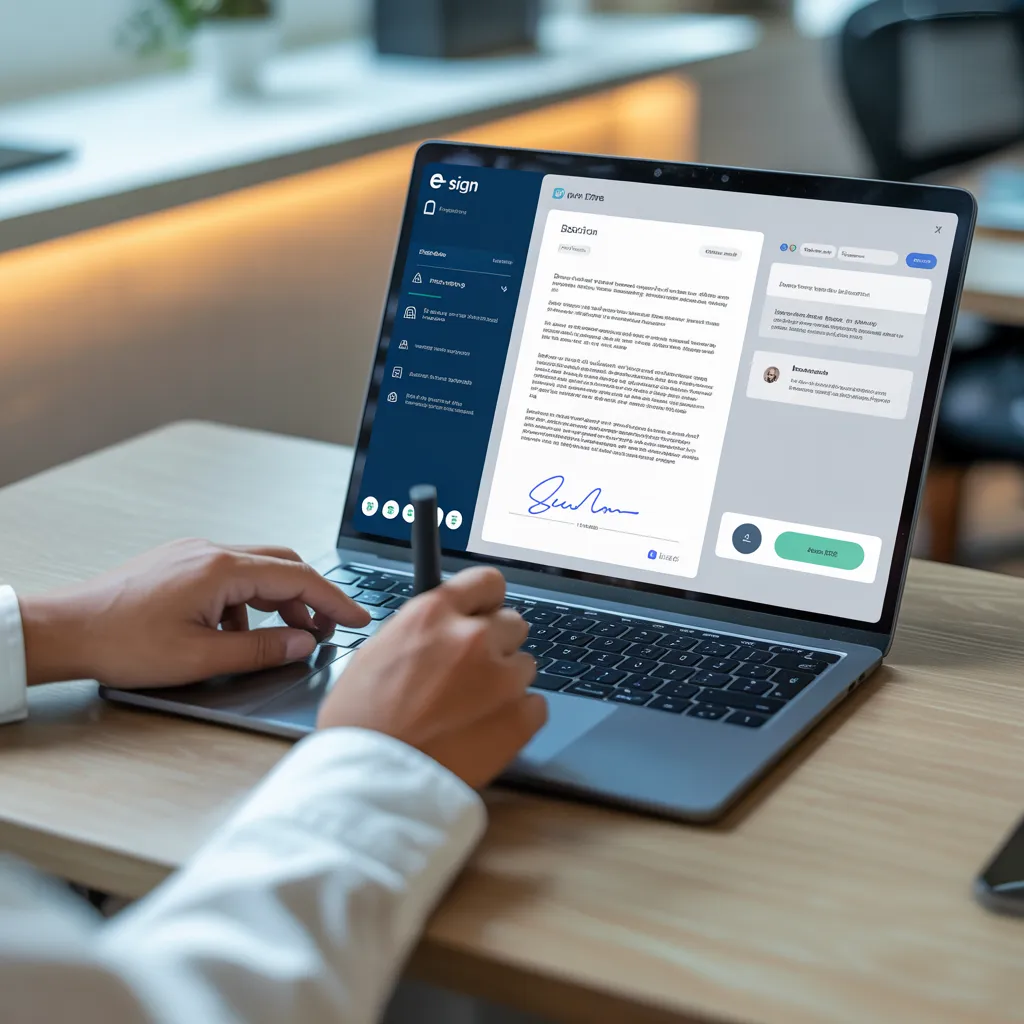
In what ways have E-Sign APIs reshaped the business world by 2026? The rise of E-Sign APIs has significantly transformed the way organizations handle document workflows. By streamlining the signing process, businesses have enhanced efficiency and reduced turnaround times, allowing for quicker transactions and decision-making. Embedding E-Sign APIs within existing platforms has facilitated uninterrupted workflows, doing away with the necessity for handwritten signatures and physical paperwork. This transformation has not only cut costs associated with printing and mailing but has also contributed to sustainability efforts by reducing paper waste. In a challenging marketplace, businesses utilizing E-Sign technology have secured a significant edge, enhancing customer experiences with speedier service. Additionally, the rise of remote work has accelerated the adoption of digital solutions, making E-Sign APIs essential for businesses aiming to remain agile and responsive. Therefore, by 2026, E-Sign APIs have established themselves as fundamental to modern business practices, boosting both operational effectiveness and customer fulfillment.
5 Major Benefits of Integrating an E-Sign API
Integrating an electronic signature API gives companies many key advantages. Such advantages encompass greater efficiency in business workflows, strengthened document security measures, and cost-effective management solutions. Recognizing these important aspects can help organizations make informed decisions about integrating e-signature technology.
Increased Efficiency In Workflows
Integrating an E-Sign API transforms organizational workflows by streamlining document management processes. By modernizing signature collection, enterprises can decrease bottlenecks typically connected to paper-based signing. This improvement enhances agreement turnaround times, allowing teams to complete transactions and seal agreements in less time. Moreover, implementing e-signing capabilities reduces the need for traditional paperwork, alleviating administrative workloads and enhancing workplace productivity. Staff can concentrate on more impactful responsibilities without tracking down approvals or handling paperwork. Beyond that, live tracking and instant notifications ensure that all involved parties remain aware of document progress, promoting smoother collaboration. Ultimately, deploying an e-signature API fosters an efficient and flexible business ecosystem, allowing organizations to keep pace with shifting business requirements and customer expectations.
Strengthened Security Procedures
A significant advantage of utilizing an E-Sign API is the improved security it offers for digital transactions. Such APIs integrate advanced encryption protocols, guaranteeing that sensitive information stays secure during the signing process. Moreover, they often supply robust authentication methods, such as multi-factor authentication and biometric verification, which assist in verifying the identity of signers. This reduces the risk of fraud and unauthorized access, fostering greater trust in digital agreements. In addition, E-Sign APIs preserve a detailed audit trail, documenting every action taken during the signing process, which can be vital for compliance and legal purposes. In summary, strengthened security measures not only safeguard organizations but also build confidence among clients and partners, rendering digital agreements more secure and dependable.
Economical Document Management Strategies
Releasing professional tips significant cost savings, companies are progressively embracing E-Sign APIs for streamlined document management. By automating the signing process, companies decrease paper consumption and related printing expenses, contributing to a more sustainable operation. Furthermore, E-Sign APIs minimize administrative expenses by removing the reliance on physical filing systems and delivery services. This digital transformation speeds up processing timelines, enabling businesses to finalize agreements more quickly and improve liquidity. Beyond that, the integration of E-Sign APIs streamlines adherence to regulatory requirements, thereby reducing the risk of significant financial repercussions. Taken together, adopting E-Sign APIs not only drives productivity but also generates considerable cost reductions, positioning it as a wise choice for organizations seeking to stay ahead in a dynamic business environment.
Handling Common Document Signing Difficulties
Within the realm of document signing, businesses often face challenges such as inefficient manual processes and heightened security and compliance concerns. These obstacles can obstruct operational performance and place organizations at risk of serious consequences. Addressing these challenges is essential for maximizing the benefits of an E-Sign API.
Unproductive Manual Procedures
Conventional approaches to document signing commonly result in notable inefficiencies that hinder business operations. Businesses regularly face setbacks caused by the labor-intensive process of printing, signing, scanning, and distributing documents. These manual workflows can result in lost documents, miscommunication, and errors, which ultimately prolong the signing process. Moreover, dependence on in-person signatures can obstruct remote operations and cooperation, constraining workplace efficiency. Workers may lose significant hours pursuing signature approvals, redirecting their energy from primary job functions. Additionally, the lack of automation increases the risk of compliance issues, as manual processes may not guarantee proper record-keeping. Adopting an e-signature system can address these difficulties, simplifying processes and empowering companies to perform more productively in a modern digital setting.
Safety and Compliance Considerations
Managing security and compliance concerns is critical for businesses adopting digital signature platforms. As electronic transactions grow, businesses face obstacles related to unauthorized access, data breaches, and compliance requirements. E-signature platforms offer robust protective measures such as encryption, authentication, and audit trails, which work to address these concerns. Following regulations like the GDPR and ESIGN Act is vital, ensuring that electronic signatures hold legal validity. Companies must also account for the incorporation of e-signature solutions with current security frameworks to safeguard sensitive information. By addressing these factors, companies can enhance trust with clients and stakeholders while optimizing document signing workflows. Thus, a meticulous framework for security and compliance is crucial for realizing the full potential of e-signature solutions.
How to Effectively Integrate E-Sign APIs
Incorporating E-Sign APIs can optimize document signing operations for companies, improving productivity and minimizing processing times. As a first step, businesses should assess their unique requirements and select an API that matches their goals. Well-known choices include DocuSign, Adobe Sign, and HelloSign, each providing unique capabilities.
Furthermore, programmers can take advantage of the API's documentation, which generally contains integration guides and code samples. Through the use of RESTful APIs, companies can seamlessly integrate their current platforms, such as document management platforms or CRMs. Integrating robust authentication protocols, like OAuth protocols, helps keep data safeguarded across all data exchanges.
Evaluating the integration in a controlled environment allows businesses to identify and resolve problems before launching. Finally, educating employees on the new system can improve user acceptance and streamline operations. By following these steps, companies can seamlessly incorporate E-Sign APIs and significantly improve their document management workflows.
Enhancing Security and Compliance Via Electronic Signature APIs?
Incorrect. Incorporating electronic signature APIs greatly strengthens security measures and regulatory compliance for organizations. Such APIs employ robust encryption standards to safeguard confidential information during transmission, guaranteeing that documents stay private and protected from tampering. Through the use of advanced authentication techniques, such as two-factor authentication, companies can validate the signer's identity, reducing the risk of fraud.
Moreover, E-Signature APIs typically feature audit logs that log every action taken on a file. This functionality is vital for compliance with standards like the Electronic Signatures in Global and National Commerce (ESIGN) Act and the Uniform Electronic Transactions Act (UETA). Companies can prove conformance to established guidelines, making certain that signed documents are legally valid and enforceable.
In a progressively digital world, prioritizing security and compliance through E-Sign APIs not only secures confidential information but also strengthens trust among clients and partners. This forward-thinking strategy is essential for sustaining a reputable business.
Rising Trends in E-Sign Technology for 2026
As organizations keep focusing on safety and compliance using e-signature APIs, the electronic signature landscape is changing at a rapid pace. By 2026, multiple emerging developments are redefining this technology. Artificial intelligence is progressively embedded within e-sign systems, enhancing user experience by automating tasks such as document verification and personalized user interactions. Moreover, blockchain technology is gaining traction, delivering permanent transaction logs and strengthening the reliability of digital signatures.
Another significant trend is the rise of mobile-focused platforms, allowing users to sign documents seamlessly on various devices. This transition serves an expanding distributed workforce, optimizing workflows across various platforms. Additionally, improved biometric identification systems are being integrated, continuously reinforcing system protection. As the demand for efficient, secure signing solutions grows, organizations must embrace these developments to stay competitive and guarantee compliance in a dynamic regulatory environment.
Commonly Asked Questions
What Are the Expenses Involved in Implementing an E-Sign API?
The expenses involved in deploying an e-signature API commonly consist of recurring subscription costs, integration fees, regulatory compliance measures, employee training considerations, and ongoing upkeep. Financial planning should account for both initial and recurring expenditures.
How Does an E-Sign API Improve Customer Experience?
An e-sign API enhances user experience by providing a seamless, efficient signing process. It reduces wait times, removes the burden of paperwork, and provides convenience, enabling customers to finalize agreements efficiently and safely from any device.
Can E-Sign APIs Be Used for International Transactions?
Indeed, e-sign APIs can facilitate international transactions, making possible seamless document signing across geographic boundaries. These solutions improve overall effectiveness, ensure compliance with diverse regulations, and deliver a safe method for parties in different countries to complete agreements swiftly.
What Kinds of Documents Are Eligible for Electronic Signatures?
Various documents are eligible for electronic signing, including contracts, agreements, invoices, consent forms, and legal notices. Such versatility improves efficiency throughout industries, enabling faster transactions and decreasing dependence on physical paperwork for documentation purposes.
Do E-Sign APIs Work With Current Software Systems?
Electronic signature APIs are commonly built to be compliant with current software systems, offering integration options that facilitate seamless incorporation into a wide range of platforms. This enhances process efficiency and accommodates varied business applications and document handling solutions.